Hugh Capet
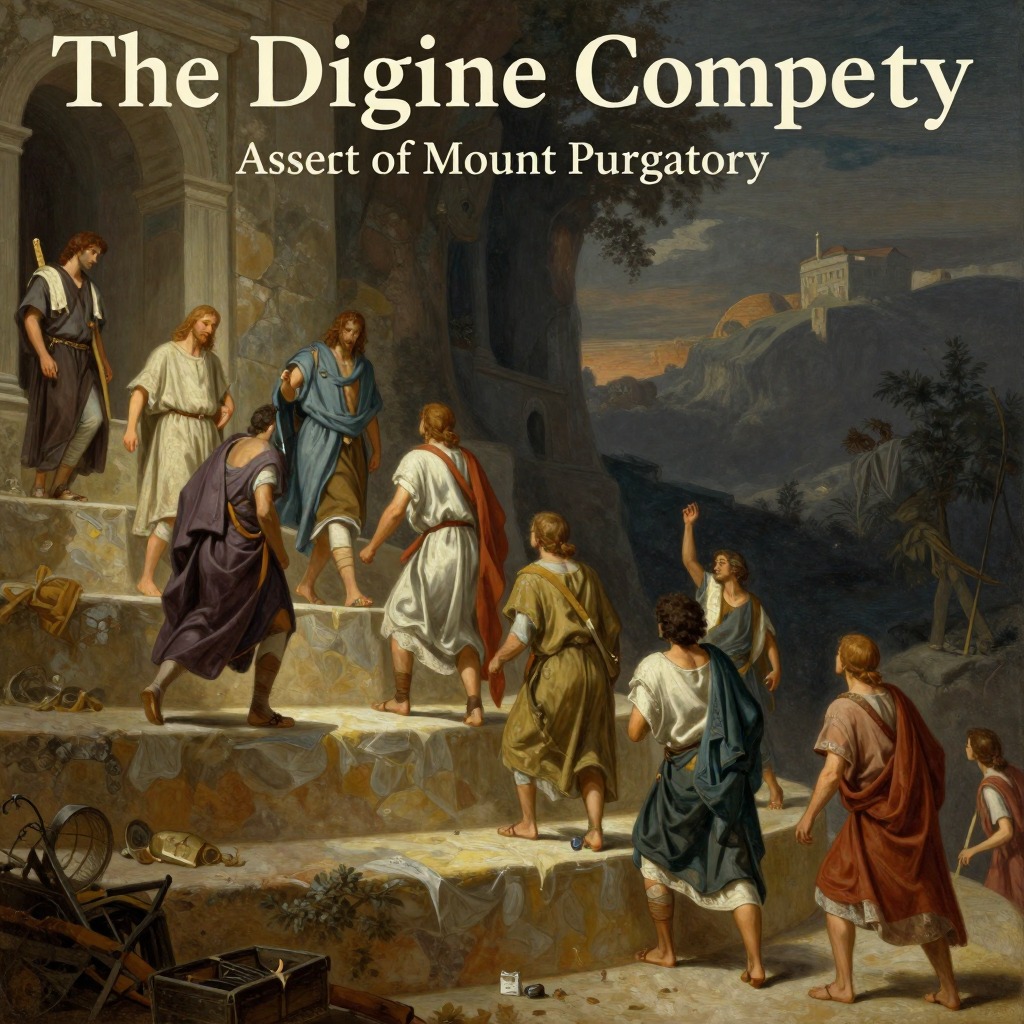
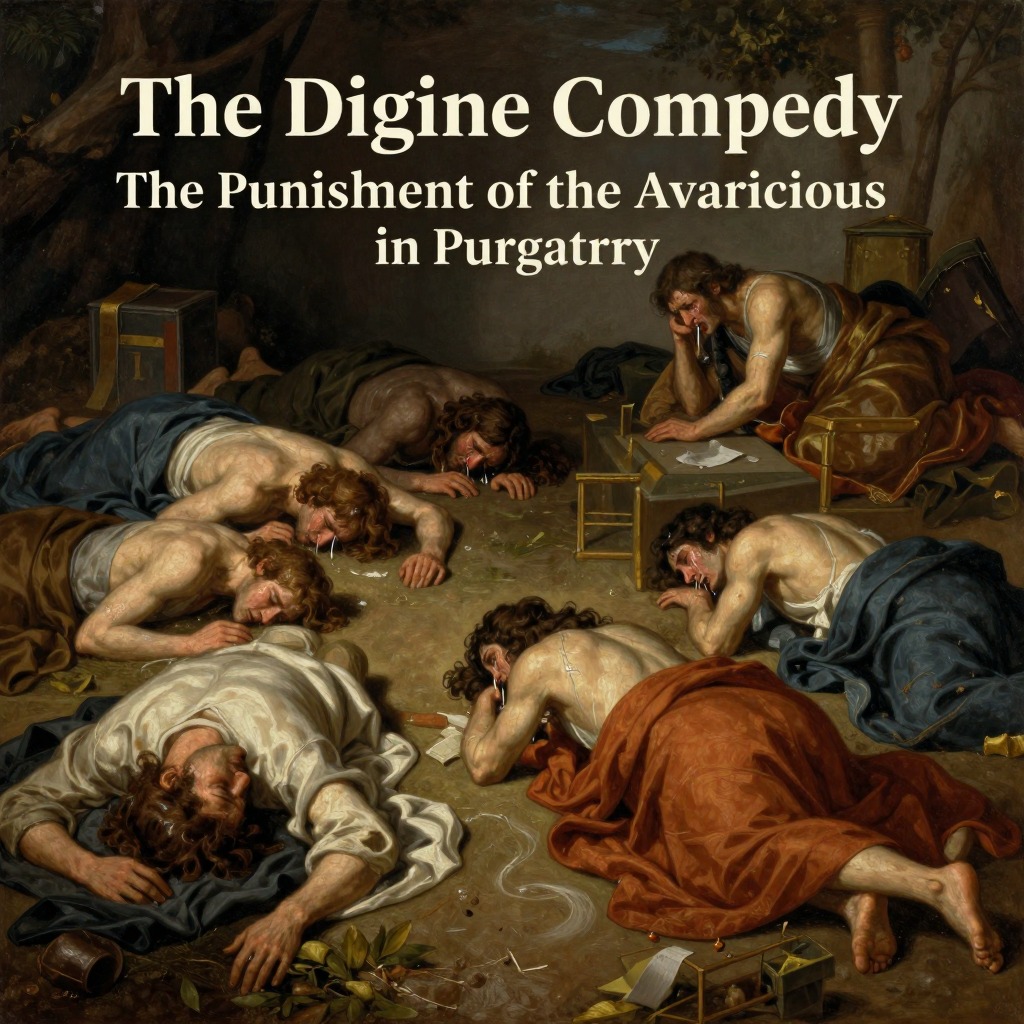
Hugh Capet, the founder of the Capetian dynasty of France, appears in Dante's Purgatorio as a penitent soul on the Fifth Terrace, where the avaricious are purged. He delivers a sweeping historical indictment of his own royal line, tracing the corruption of the French crown from its humble origins through centuries of rapine, treachery, and sacrilege, and prophesying future calamities that will befall Italy and the Church. His speech is the most sustained political denunciation in the Purgatorio, a confession that turns into a prophecy of vengeance.
Identity and Background
Hugh Capet identifies himself as "the root of that malignant plant / Which overshadows all the Christian world." He declares that from him were born the Louises and Philips who governed France in later days. He claims to have been the son of a Parisian butcher, a detail that underscores the lowly, even illegitimate, origins of the dynasty. He describes how, after the ancient kings had perished, he found himself grasping the reins of the realm's government, and with so much power and so many friends that he was able to place the crown on his own son's head. He calls himself "Hugh Capet" upon the earth.
Life and Plot Trajectory
Hugh Capet's speech moves from his own rise to power through a chronicle of his dynasty's moral decline. He explains that as long as the great dowry of Provence had not yet taken the sense of shame from his blood, the dynasty was "little worth, but still it did no harm." Then it began with falsehood and force its rapine, taking Ponthieu, Normandy, and Gascony. He recounts how Charles came to Italy and made a victim of Conradin, and thrust Thomas back to heaven. He then prophesies a time, not very distant, when another Charles will come from France, unarmed, with only the lance that Judas jousted with, and will make the paunch of Florence burst. He sees the flower-de-luce enter Alagna and Christ in his own Vicar captive made, and the modern Pilate so relentless that he bears his sordid sails to the temple without decretal.
Key Actions and Objectives
Hugh Capet's primary action is his confession and prophecy. He speaks not for any comfort he may expect from earth, but because so much grace shines in Dante before he is dead. He prays to Him who judges all that vengeance may be taken on his own line. He describes the daily and nightly prayers of the avaricious: by day they recite examples of holy poverty and generosity, such as the Virgin Mary's poverty at the inn, the virtue of Fabricius, and the largess of Saint Nicholas to the maidens. By night, they recite examples of punished avarice: Pygmalion, Midas, Achan, Sapphira and her husband, Heliodorus, Polymnestor, and Crassus.
Relationships and Conflict
Hugh Capet's relationship with his own descendants is one of bitter condemnation. He sees his blood as having drawn avarice so deeply that it cares not for its own proper flesh. He prophesies that the other Charles, now gone forth, will sell his daughter like a corsair. He contrasts the good old days of his dynasty with its present corruption, and he looks forward to the vengeance of God. His conflict is not with other characters in the poem but with the entire history of his house and its impact on Christendom.
Change and Ending
Hugh Capet's own purgation is part of the larger process of the Fifth Terrace. He is one of the souls who weep and bemoan themselves, and he speaks of the avarice that had extinguished their affection for every good. He is not named as having undergone a personal transformation within the poem, but his speech itself is an act of penitence, a public confession of his dynasty's sins. After his speech, Dante and Virgil depart from him, and the mountain trembles, causing a chill to seize Dante.
Narrative Role and Evaluation
Hugh Capet serves as a mouthpiece for Dante's political and moral critique of the French monarchy. His speech is a powerful example of the poem's use of historical figures to comment on contemporary politics. He is not a character with a personal story of love or betrayal, but a symbol of dynastic corruption. His prophecy of future events, including the capture of Pope Boniface VIII at Anagni, gives his speech a prophetic urgency. He is a figure of immense historical weight, and his presence in Purgatory underscores the gravity of avarice, especially when it is practiced by those who hold political power.